
Description
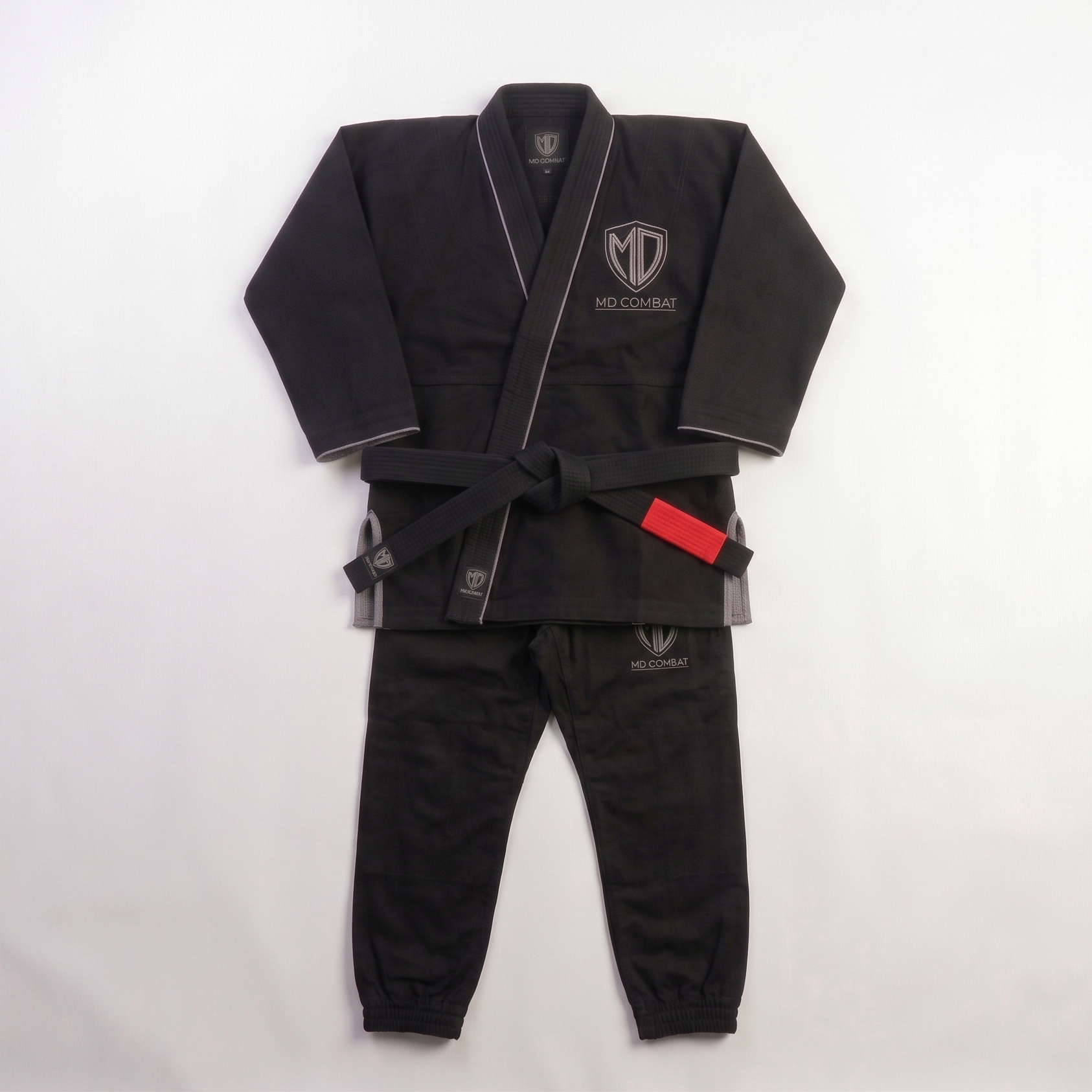
MD COMBAT Custom Karate Gi are manufactured with the understanding that karate is not one uniform standard — it is multiple disciplines, multiple governing bodies, and multiple aesthetic traditions that coexist within a single global sport. A kata competitor training for WKF world championships has completely different gi requirements from a traditional Shotokan dojo teaching children’s beginners classes. A national team purchasing competition gi for international tournaments has different specification priorities from a commercial dojo chain ordering club uniform sets for retail to members. We manufacture karate gi across the full range of these requirements because our B2B buyers operate across all of them.
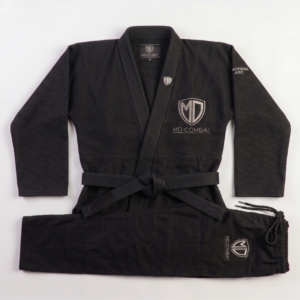
The karate gi consists of three components: the uwagi (jacket), the zubon (trousers), and the obi (belt, supplied separately). Our gi are manufactured in 100% cotton canvas weave and cotton-polyester blend constructions across weight categories that range from lightweight competition gi at 240–280 GSM through to heavyweight traditional training gi at 420–500 GSM. Fabric weight determines hand-feel, durability, formality, and how the gi moves during kata and kumite — and buyers specify weight based on the application, the climate they serve, and the standards of the governing body or tradition they operate under.
WKF (World Karate Federation) competition specifications are the global standard for sport karate and the technical benchmark our production programme is built around. WKF-approved gi must meet specific construction and material standards: the jacket must be hip-length when arms are at the side, sleeves must reach no further than the wrist and no shorter than mid-forearm, the jacket must close left-over-right with sufficient overlap, and trousers must reach the ankle bone. Fabric must be cotton or predominantly cotton blend, with a weight that does not provide unfair advantage in competition — typically between 240 GSM and 340 GSM depending on kata or kumite category. We produce gi to WKF specifications as standard and can provide fabric certifications when required by buyers supplying national teams or international competitors.
Kata gi and kumite gi have different construction priorities within the WKF framework. Kata gi are typically heavier — 300–380 GSM — to produce the sharp, audible snap during kata techniques that judges listen for during competition scoring. The fabric is stiffer, the cut is slightly fuller for dramatic movement, and the construction is reinforced at stress points to withstand the explosive techniques performed during kata demonstration. Kumite gi are lighter — 240–280 GSM — to maximise mobility and speed during sparring, with a closer athletic cut that reduces fabric grab points and allows faster recovery between techniques. We manufacture both specifications and frequently supply national federations with matched sets where kata and kumite athletes receive the appropriate gi type for their competition category.
Traditional karate gi for dojo training and non-competitive martial arts practice are built heavier and to different aesthetic standards. These gi — typically 380–500 GSM — prioritise durability for daily training use, a formal traditional appearance that aligns with classical martial arts presentation, and a structured, weighty feel that communicates seriousness and formality to students. Traditional gi are most commonly ordered by Shotokan, Goju-Ryu, and Wado-Ryu dojos and by schools teaching karate within a broader traditional martial arts curriculum.
Customization on karate gi is achieved primarily through embroidery. Dojo name or federation name is typically embroidered on the left chest of the jacket in a 10–15 centimetre patch format. National flag embroidery on the right sleeve or left chest is standard for national team gi. Back embroidery — large-format dojo name or federation crest across the full back panel of the jacket — is available and frequently specified by commercial dojos building strong brand identity. Embroidered patches (sewn-on or heat-sealed) are used for rank insignia, tournament participation, and sponsor logos. We also offer printed gi for buyers requiring lower-cost club sets, though embroidery remains the traditional and preferred finish in the karate market.
Fabric Options: 100% Cotton Canvas 240–280 GSM (WKF lightweight kumite) · 100% Cotton Canvas 300–340 GSM (WKF kata and mid-weight kumite) · 100% Cotton Canvas 380–450 GSM (traditional training gi, heavyweight) · Cotton-Polyester 65/35 Blend 280–320 GSM (durability and easy-care) · Premium Japanese-Cut Cotton 420–500 GSM (elite traditional and kata gi)
Technical Construction Features: WKF competition-compliant cut and construction · Kata and kumite specifications available · Reinforced jacket closure (7–9 stitching rows) · Jacket sleeve gusset for arm mobility · Drawstring waist trousers (flat or round cord) · Reinforced knee panels on trousers · Traditional and modern jacket cut options · Pre-shrunk fabric treatment
Customization Options: Machine embroidery (chest, sleeve, back) · Embroidered patches (federation, rank, dojo) · National flag embroidery · Printed logos (lower-cost option) · Custom drawstring colour · Custom woven labels · OEM full private-label package · Matched belt colour sets available
Sport and Use Applications: WKF sport karate — kata and kumite competition (national and international) · Traditional karate training — Shotokan, Goju-Ryu, Wado-Ryu, Shito-Ryu · Dojo club uniform — children’s and adult classes · National karate federation team supply · University and school karate programmes · Karate grading and belt examination uniform · Tournament and seminar participation gi · Commercial dojo retail and club kit programmes
Production and Trade Information: MOQ: 50 sets (jacket and trousers) · WKF-approved fabric certifications available · Kata and kumite weight options · Sample lead time: 10–14 days · Bulk lead time: 35–50 days · Belt (obi) supplied separately or as set · Pre-shrunk and standard-shrink options · Incoterms: FOB, CIF, EXW · Shipping: DHL, FedEx, Sea Freight
Size Chart — Adult (measurements in cm, tolerance ±2 cm, jacket and trouser sized together):
| Size | Height Range | Jacket Length | Sleeve Length | Trouser Inseam | Recommended Weight |
|---|---|---|---|---|---|
| 150 cm | 145–155 | 70 | 52 | 75 | 45–55 kg |
| 160 cm | 155–165 | 74 | 55 | 78 | 55–65 kg |
| 170 cm | 165–175 | 78 | 58 | 81 | 65–75 kg |
| 180 cm | 175–185 | 82 | 61 | 84 | 75–85 kg |
| 190 cm | 185–195 | 86 | 64 | 87 | 85–95 kg |
| 200 cm | 195–205 | 90 | 67 | 90 | 95–110 kg |
Size Chart — Children / Youth (measurements in cm):
| Size | Age Range | Height Range | Jacket Length | Sleeve | Trouser Inseam |
|---|---|---|---|---|---|
| 100 cm | 3–4 yrs | 95–105 | 42 | 34 | 50 |
| 110 cm | 5–6 yrs | 105–115 | 46 | 37 | 55 |
| 120 cm | 7–8 yrs | 115–125 | 50 | 40 | 60 |
| 130 cm | 9–10 yrs | 125–135 | 56 | 44 | 66 |
| 140 cm | 11–12 yrs | 135–145 | 62 | 48 | 71 |
| 150 cm | 13–14 yrs | 145–155 | 68 | 51 | 75 |